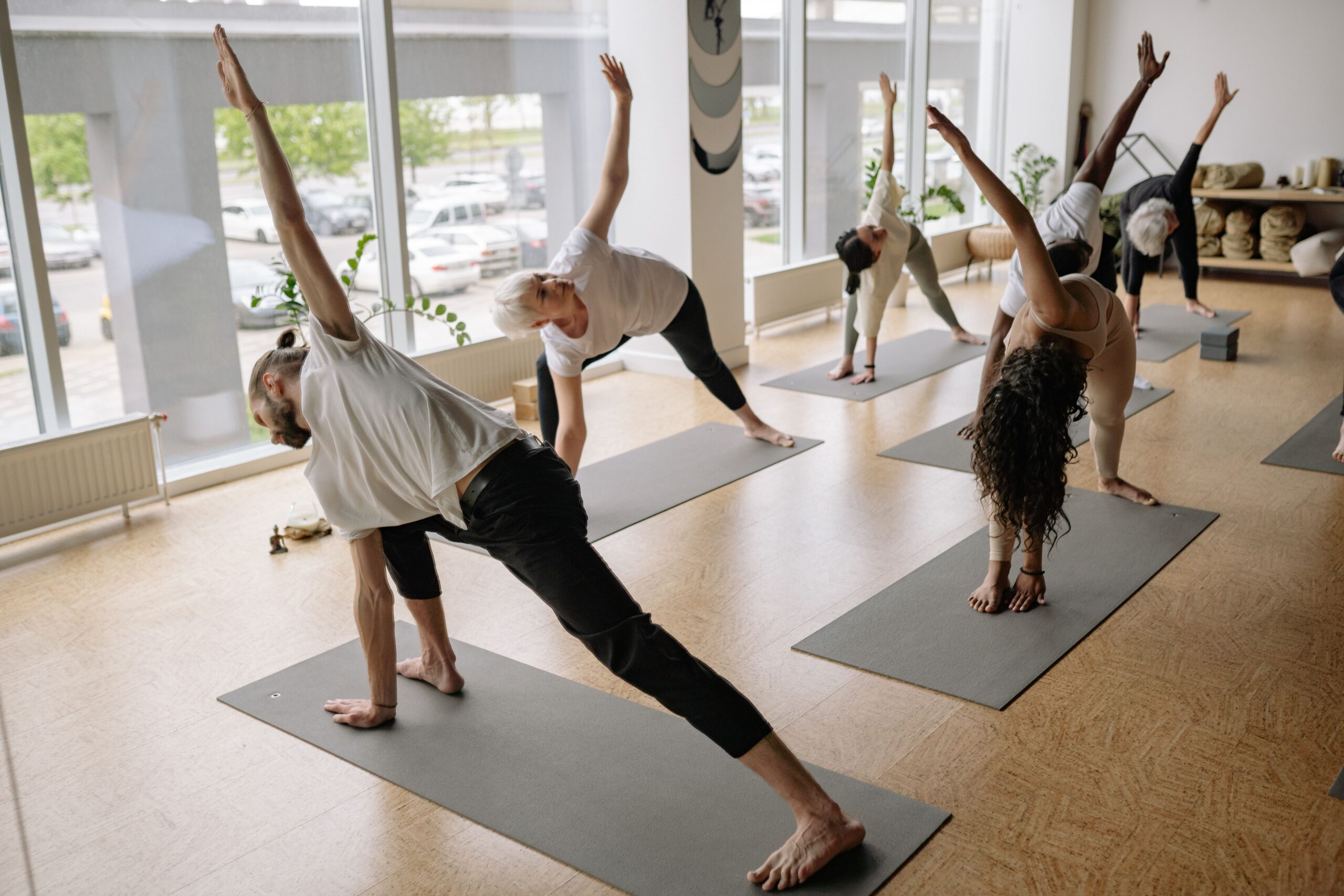
Yoga, A beginers guide.
Yoga
Introduction
Yoga is one of the oldest and most respected systems for improving physical, mental, and spiritual well-being. Originating in India thousands of years ago, yoga has become a popular practice throughout the world because of its ability to improve health naturally. People from every age group practice yoga to remain fit, reduce stress, and enjoy a happier life.
Many people think yoga is only a form of physical exercise. In reality, it is much more. Yoga combines physical postures, breathing techniques, meditation, and relaxation to create harmony between the body and the mind. It teaches us how to live a balanced and healthy life.
What Does Yoga Mean?
The word “Yoga” comes from the Sanskrit word Yuj, which means “to unite” or “to join.” It represents the union of the body, mind, and spirit. When these three work together in harmony, a person experiences better health, greater peace, and a more positive outlook on life.
Yoga is not connected to any particular religion. It is a scientific and practical system of healthy living that can be practiced by everyone regardless of age, nationality, or background.
A Brief History of Yoga
Yoga was developed in ancient India more than 5,000 years ago. Great sages and scholars practiced yoga to improve both physical health and mental awareness. Over time, yoga spread across the world because people recognized its many health benefits.
Today, millions of people practice yoga in homes, schools, parks, fitness centres, hospitals, and wellness institutes. The celebration of International Yoga Day on 21 June each year has further increased awareness of yoga across the globe.
Why is Yoga Important Today?
Modern life is full of challenges. Long working hours, unhealthy eating habits, lack of exercise, and continuous use of computers and mobile phones often lead to stress, obesity, poor posture, and other health problems.
Yoga provides a natural way to overcome many of these difficulties. Regular practice helps improve both physical fitness and mental well-being without expensive equipment or complicated workouts.
The Main Components of Yoga
Yoga consists of several important elements that work together.
Asanas (Postures): These improve flexibility, strength, balance, and posture.
Pranayama (Breathing Exercises): Proper breathing increases oxygen supply, improves lung capacity, and calms the nervous system.
Meditation: Meditation helps improve concentration, emotional stability, and inner peace.
Relaxation: Relaxation allows the body and mind to recover and reduces fatigue.
When these four components are practiced together, they provide complete wellness.
Benefits of Practicing Yoga
Regular yoga practice offers many health benefits.
It improves flexibility and joint movement.
It strengthens muscles and bones.
It helps maintain healthy body weight.
It improves posture and balance.
It reduces stress and anxiety.
It promotes better sleep.
It increases concentration and memory.
It improves breathing and blood circulation.
It boosts self-confidence and emotional well-being.
Perhaps the greatest benefit is that yoga helps people feel healthier and happier in their everyday lives.
Can Beginners Practice Yoga?
Absolutely.
One of the greatest advantages of yoga is that it is suitable for beginners. You do not need to be flexible or physically strong before starting. Yoga gradually improves your fitness over time.
It is always advisable to learn the correct techniques from a qualified instructor, especially during the early stages. Correct posture and breathing make yoga both safe and effective.
Simple Tips for Beginners
Begin with easy postures.
Practice regularly rather than occasionally.
Wear comfortable clothing.
Choose a quiet and well-ventilated place.
Avoid practicing immediately after a heavy meal.
Focus on slow, steady breathing.
Listen to your body and never force difficult movements.
Remember that yoga is not a competition. Every person